The problem no one has solved
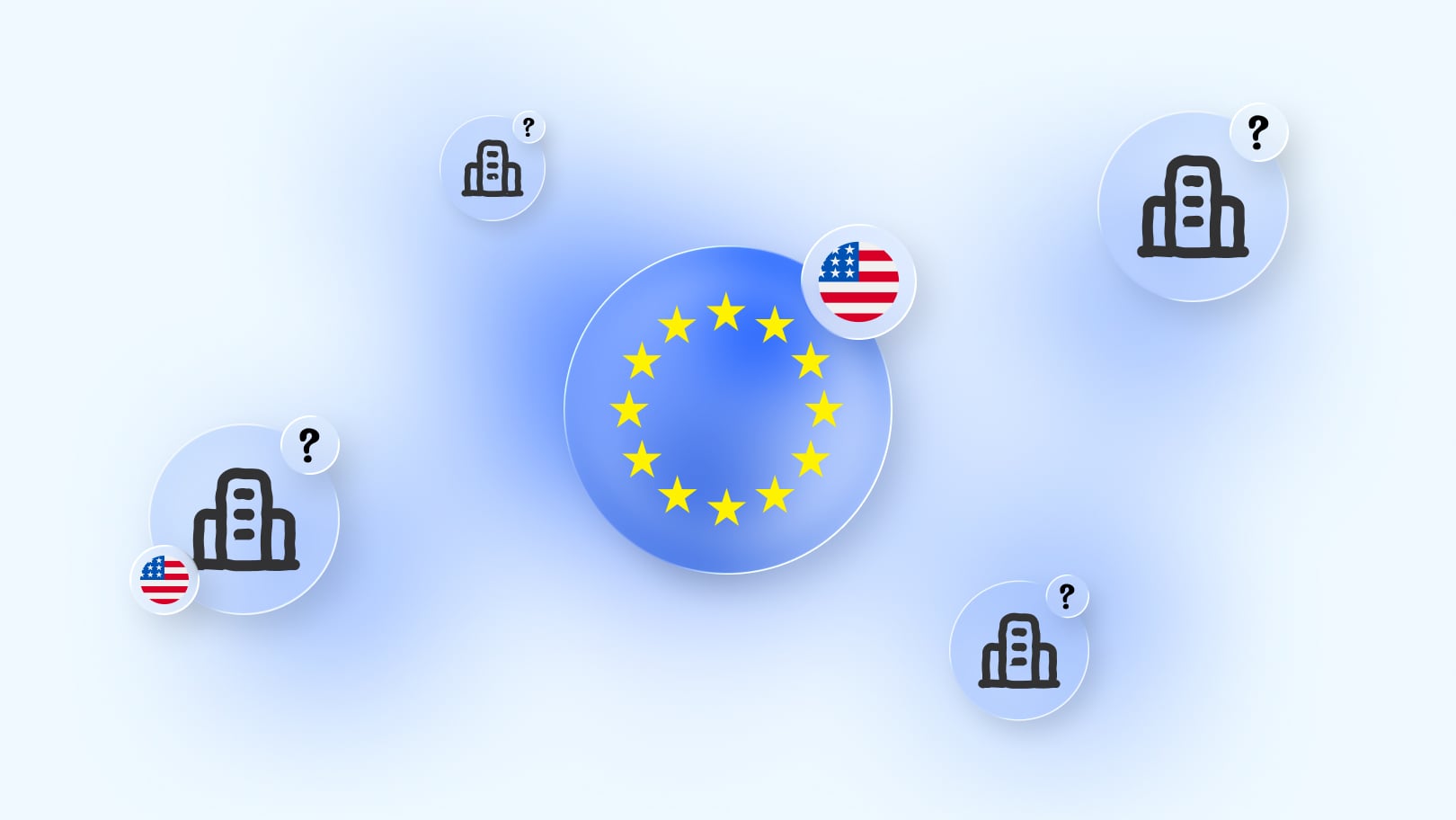
Here's the uncomfortable math: more than 80% of enterprise applications remain ungoverned — not because organizations don't care about identity security, but because onboarding applications into governance platforms is painfully slow and prohibitively expensive.
Every CISO knows the feeling. For every application your identity program covers, four more sit in the shadows — unmonitored and unaudited, with access decisions made outside any governance framework. Each one is a compliance violation waiting to be found, a breach waiting to happen.
The industry has accepted this as normal. We didn't.
Why traditional onboarding doesn't scale
The problem isn't just technical. It's structural — a compounding set of forces that makes the backlog grow faster than any team can clear it.
The complexity trap. Each application presents a unique puzzle with different identity models, proprietary schemas, non-standard APIs, and undocumented behaviors. Teams spend weeks on discovery before configuration even begins.
The coordination tax. Identity teams need information from application teams. Application teams are busy. Meetings get scheduled, emails go unanswered, timelines stretch from weeks to months.
The long-tail economics. At 3–4 weeks per application and 500 applications to govern, you're looking at decades of work. The backlog never clears. The risk never diminishes.
The consistency gap. Manual configuration through UIs means every onboarding is a snowflake. Undocumented changes accumulate. Environments drift. Auditors ask questions no one can answer.
Organizations end up governing their top 50 applications and accepting risk on everything else. That's not a strategy — it's surrender.
The answer: Onboarding as Code
Saviynt is the first and only Identity Governance and Administration (IGA) vendor to earn HashiCorp Partner Premier status in the Terraform Registry.
The Saviynt Terraform Provider lets you define your entire identity governance posture — connections, entitlements, provisioning rules, role definitions — as declarative HashiCorp Terraform code. Onboarding becomes a deployment pipeline. Governance becomes versionable, reviewable, testable, and promotable.
Infrastructure as code meets identity governance. And it changes everything.
What changes in practice
Your identity config gets the same rigor as your application code. Every change flows through pull requests, reviews, and approval workflows. Every modification is a commit. Every rollback is a git revert. No more "who changed this and why?" during audit season.
You stop starting from scratch. Common integration patterns become reusable Terraform modules. First Active Directory instance: a day of careful configuration. Second instance: minutes. Twentieth: seconds. Every onboarding investment becomes a building block for the next.
Identity and application teams work in parallel — not in sequence. Application teams define their schema and connectivity in their configs; identity teams define governance policies and compliance requirements in theirs. The configurations converge at deployment time. No coordination meetings required.
Environment promotion becomes a non-event. Same code, different variables. Development, staging, and production stay perfectly synchronized. Promotion is a pipeline trigger, not a project.
Real-world use cases
The factory model: Onboarding at scale. 200 applications migrating to the cloud. A company acquisition with 150 apps. The backlog that's been growing for years. Create reusable modules for common patterns — AD, SQL databases, REST APIs, SCIM, LDAP. Teams go from 2–3 applications per month to 30–50.
Governance of governance: Audit-ready by default. All changes live in Git. Pull requests require approvals. "Show me every change in the last 12 months" becomes a Git log query — complete with timestamps, authors, reviewers, and exact diffs. Audit prep goes from weeks to minutes.
Drift detection: Catch unauthorized changes automatically. Scheduled plan comparisons check your golden state against the live environment. Any discrepancy triggers an alert. Unauthorized changes can no longer hide.
Multi-environment CI/CD. Same Terraform code, parameterized with environment-specific variable files. Merge to main deploys to dev; a release tag targets staging; an approval gate gates production. "Works in dev but not prod" becomes structurally impossible.
The numbers
|
Dimension |
Before |
With Terraform Provider |
|
Time per onboarding |
3–4 weeks |
Hours |
|
Configuration consistency |
Variable, error-prone |
Deterministic |
|
Environment promotion |
Manual, risky |
Automated, zero-touch |
|
Audit preparation |
Weeks |
Minutes |
|
Drift detection |
After incidents |
Continuous |
|
Cost of 50th onboarding |
~Same as the first |
Fraction of the first |
Get started
The Saviynt Terraform Provider is now live on the Terraform Registry. Explore the source on GitHub, or reach out to see Onboarding as Code in action.
Application onboarding has been identity security's unsolved problem for too long. The technology to solve it exists now — not partially, not eventually, but today.
Note to web team: in the Related Posts section of the page, include the prior blog about Terraform