Traditionally, identity governance has been human-centric. Policies and controls were built around their behaviors and the concepts of “joiners, movers, and leavers.”
In the modern enterprise, non-human identities (NHIs) far outnumber human ones, and the gap is widening. AI and automation are becoming more active participants in the business, entrusted with critical roles, workflows, and data.
Rules and policies built for human users don’t work for AI agents and other non-human users. These NHIs operate continuously and autonomously across business and enterprise applications, cloud infrastructure, privileged systems, Software as a Service (SaaS) platforms, and AI-driven workflows, potentially without the company’s knowledge. As a result, they dramatically accelerate the challenge that enterprises face of implementing effective identity management at scale.
Non-human and AI identities are growing inside business applications
NHIs already outnumber human users, and are nothing new. Service accounts, bots, microservices, and other NHIs existed long before AI, but the introduction of AI agents and Large Language Model (LLM)-powered tools has accelerated this growth and amplified the associated risks. Today, NHIs outnumber human users 45:1 in large enterprises, and the gap is widening.
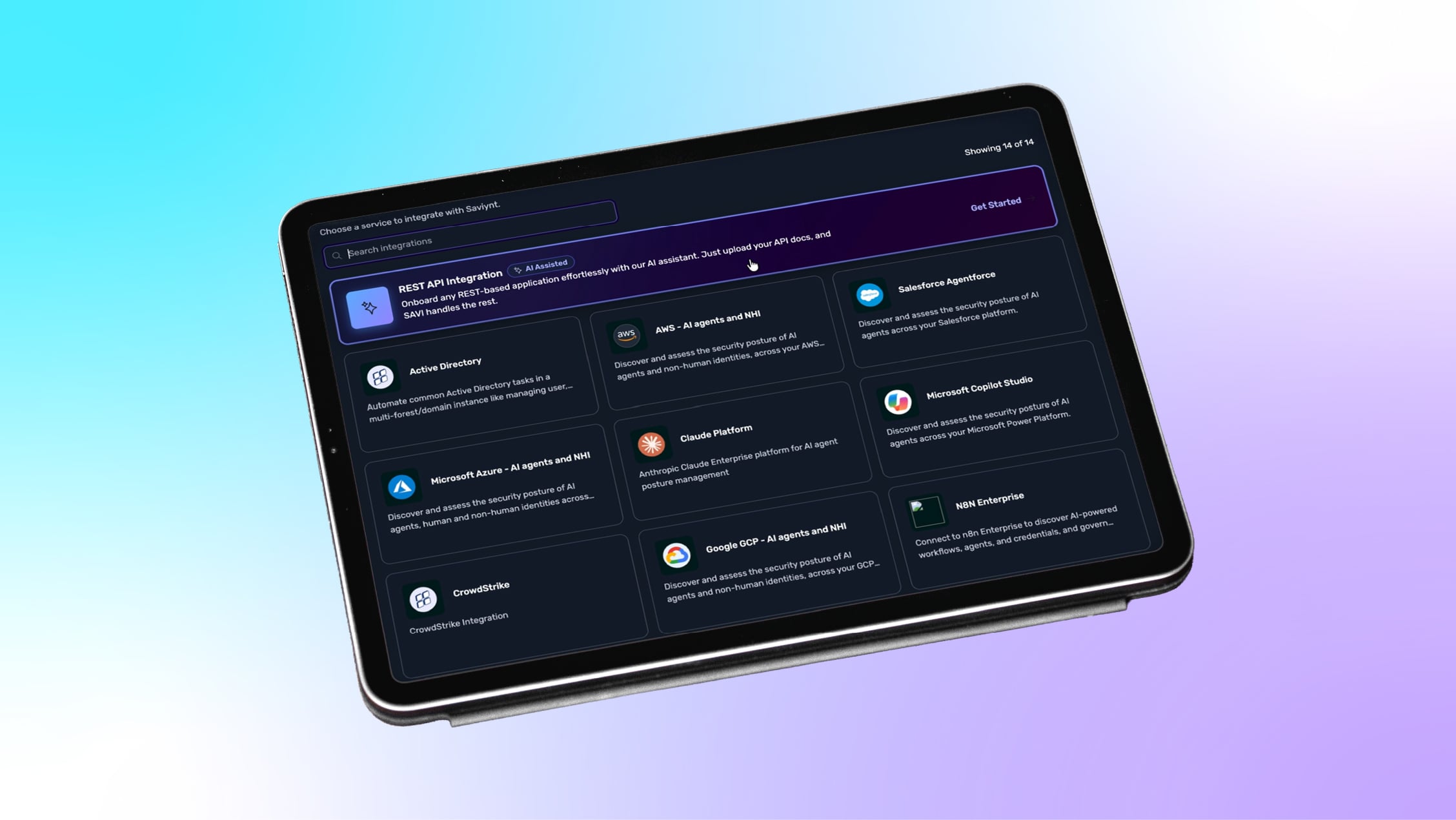
NHIs and AI agents increasingly have access to enterprise applications like SAP, Oracle, Salesforce, ServiceNow, and Workday. However, their footprint doesn’t stop there, as they can also touch cloud infrastructure, SaaS platforms, and connected services. As AI and automation become more sophisticated and prevalent, they’re no longer restricted to performing repetitive and menial tasks.
AI agents are increasingly participating in business processes, making decisions, accessing sensitive data, and interacting with other systems autonomously. They frequently inherit existing permissions or are granted access that exceeds what's required for the tasks they perform. This introduces significant cross-application identity risks, as privileges compound across applications and linger long after they’re needed or monitored.
Most governance models are still human-centric
Traditional Identity Governance and Administration (IGA) was built around human behaviors and the concepts of joiners, movers, and leavers. These three events clearly defined when privileges should be reviewed and updated.
Additionally, human employees had defined roles within the organization and a clear chain of command. This clarified who was responsible for defining, scoping, and removing privileges as needed.
NHIs lack the life events, role definitions, and chain of command that human-centered governance policies are built around. Organizations often deploy AI agents and NHIs ad hoc, without a clearly defined business owner, making accountability, certifications, and access reviews much more difficult.
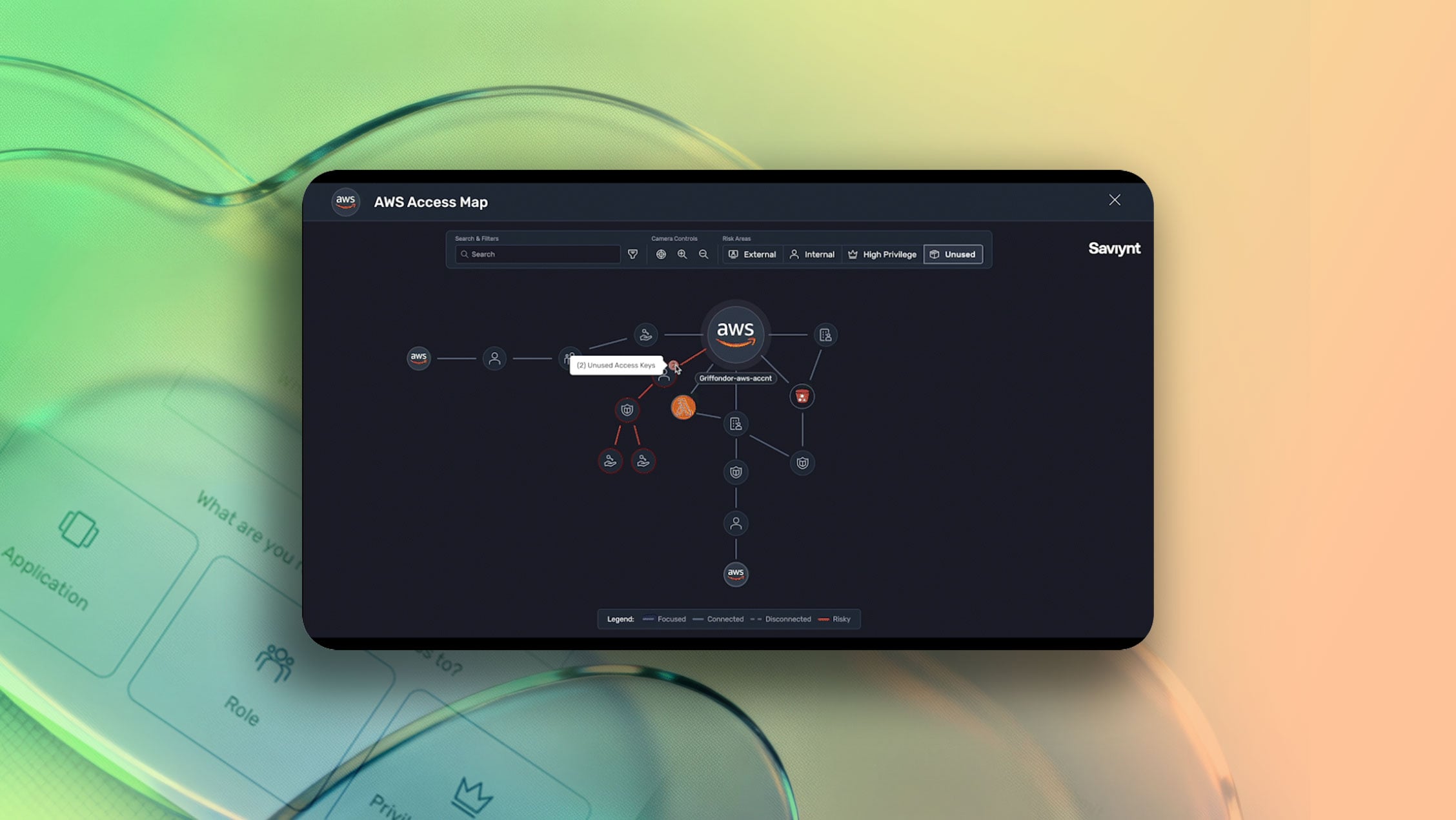
Companies also commonly lack full visibility into their NHIs and AI agents. While some official NHIs may be known and tracked, shadow AI and the organic growth of AI capabilities within business applications further complicate AI discovery, inventory, and governance.
Traditional policies, approval workflows, and access review processes assume a human user, leaving the organization without consistent governance for NHIs and AI agents. This not only creates security blind spots but also impacts compliance, audit readiness, and the organization’s ability to confidently adopt automation and AI at scale.
Non-human and AI identities magnify existing access problems
Access management isn’t a new challenge introduced by AI. Many organizations already struggle with overprovisioning, orphan accounts, and privilege creep for their human employees and users.
With the growing complexity of enterprise environments, cross-application access accumulation introduces new challenges as combinations of privileges across different applications grant unintentional access to corporate resources. The fragmentation of processes across SAP, Workday, Oracle, and other enterprise apps can make it difficult to track what exactly any user — human or otherwise — can access and what they can do with these privileges.
The introduction of AI amplifies these problems. One impact is the dramatic increase in the number of identities that organizations must monitor and govern, often without the visibility needed to do so effectively. Additionally, these AI agents and NHIs operate at machine speed and at greater scale.
AI agents and NHIs interact with various enterprise applications, cloud services, and SaaS platforms, creating cross-application identity management challenges. As they take on new responsibilities and participate in additional business processes, they often require new permissions to perform their work. Access granted to accomplish those tasks often remains active after a project is complete. As these identities participate in additional workflows and connect to more applications, their effective access can continue to grow, often well beyond what was originally intended. This can create significant Separation of Duties (SoD) violations as AI agents and NHIs accumulate risky combinations of access within a single business application and across multiple ones.
Periodic reviews cannot keep pace
Traditional access reviews were performed quarterly, annually, or on an “as needed” basis. When someone joined, left, or moved within the organization, their privileges would be reviewed and updated as needed.
This model doesn’t work for AI agents and other NHIs. Business processes can create, modify, or retire their identities automatically, potentially within minutes or hours. AI agents can also delegate, spinning up new NHIs to complete tasks without official oversight. As a result, the business only has visibility into a fraction of its deployed NHIs. With the ability to run 24/7 and at machine speed, AI agents and NHIs create continuously exploitable security risks.
When an identity’s lifecycle can be measured in minutes or hours, quarterly audits are insufficient. They can only catch a small fraction of potential threats (largely those associated with human users), leaving organizations with long windows where excessive access, policy violations, and cross-application risks go undetected. Alongside increasing security, continuous monitoring and governance give organizations greater confidence that controls remain effective between formal audit cycles.
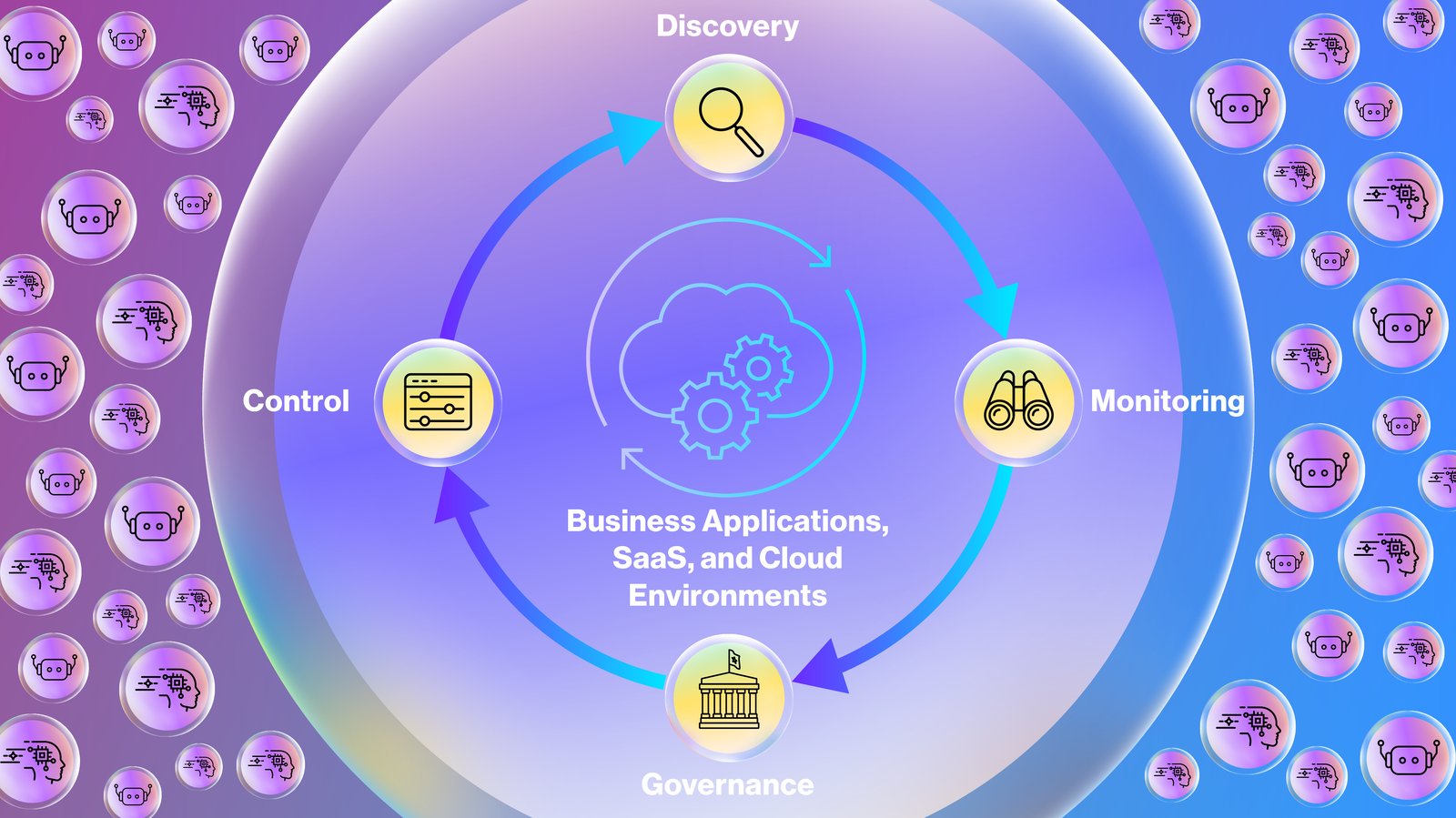
Modern Application Access Governance must govern every identity
Human-centric identity management leaves NHIs unmonitored and ungoverned. Modern governance should be identity-agnostic, applying the same governance principles consistently across human users, non-human identities, and AI agents.
Key elements include:
- Continuous visibility and monitoring
- Universal coverage for enterprise apps, cloud infrastructure, and cloud platforms
- Cross-application visibility and SoD risk analysis
- Automated detection of policy violations, overprovisioning, and anomalous behavior
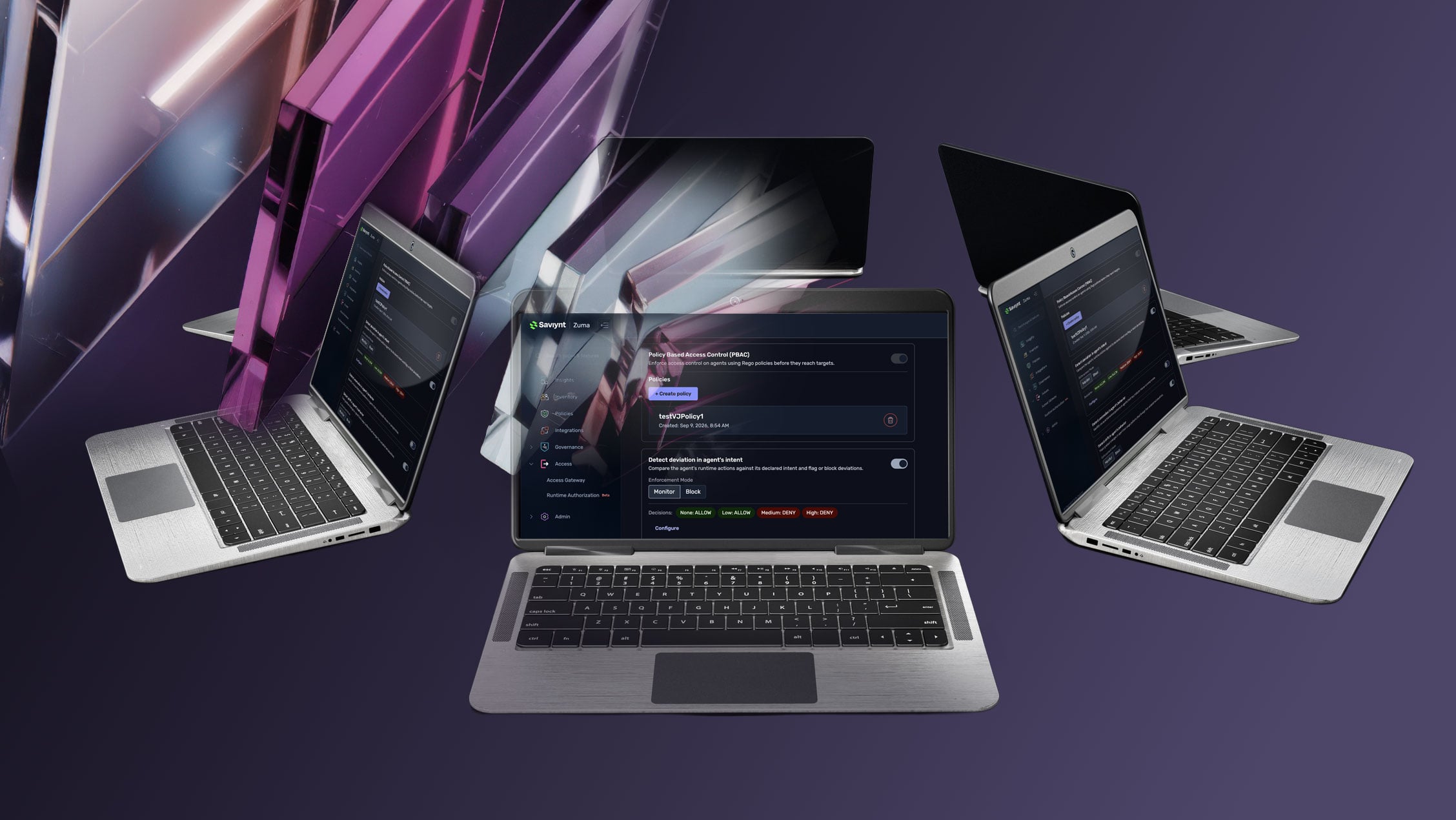
- Consistent policy enforcement for humans and NHIs alike
- Enterprise-level visibility and governance based on the relationships between identities, permissions, and systems
- Chain of command and ownership for NHIs
- Real-time threat remediation
Modern Application Access Governance must consistently and continuously govern every identity across the enterprise. By continuously monitoring and understanding how human users, non-human identities, and AI agents interact with applications and infrastructure, organizations can reduce risk and improve audit readiness while enabling automation and AI with confidence.
Consistent governance is the only path forward
The future of Application Access Governance isn't about governing more identities or adding policies for NHIs and AI agents to complement the ones for human users. It's about achieving continuous and consistent visibility, governance, and controls for every identity across the enterprise to eliminate the blind spots of traditional, human-centric governance.
The challenges of modern identity governance aren’t limited to the expansion of NHIs and AI agents. Organizations also need to consider cross-application risks, spanning enterprise applications, cloud infrastructure, and SaaS platforms.
As non-human identities and AI agents continue to proliferate, organizations need continuous visibility and governance across all identities and business applications. Only then can they reduce access risk, strengthen audit readiness, and adopt AI and automation with confidence.
To see how Saviynt governs human, non-human, and AI identities across your enterprise, request a demo today.