




Reimagine and Reinvent Your Identity Security Posture
Fortify identity data hygiene, prioritize remediation, and reduce your risk landscape.
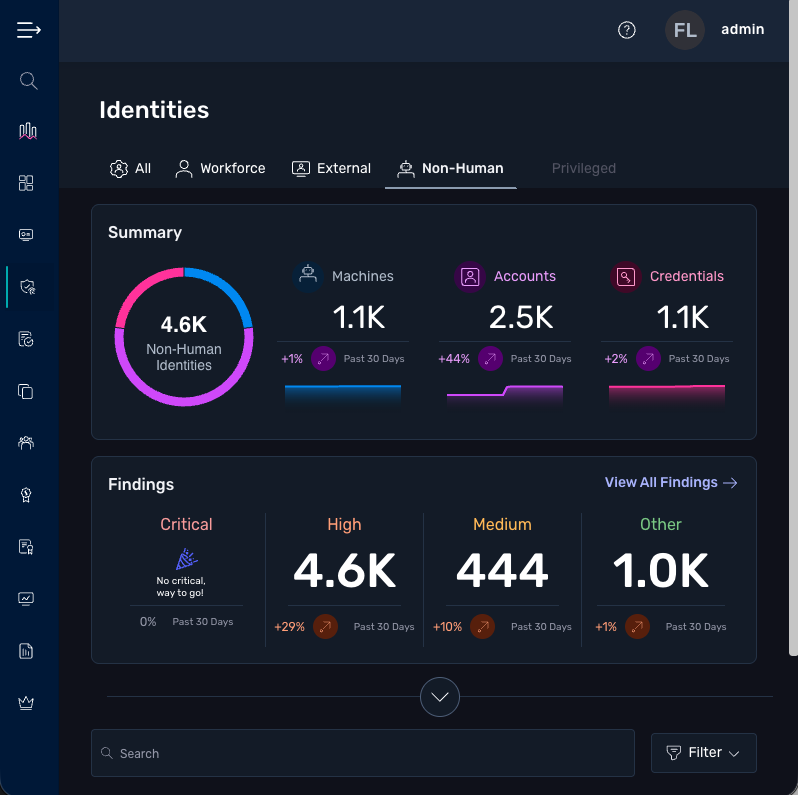
Proactively defend against identity security risks and threats with Saviynt ISPM
Understand and reduce your identity attack surface
Discover all identities, access, and assets for holistic visibility of risk with unparalleled breadth and depth of identity data.
Enhance data hygiene and governance posture
Boost efficiency and cut costs with complete and accurate identity records.
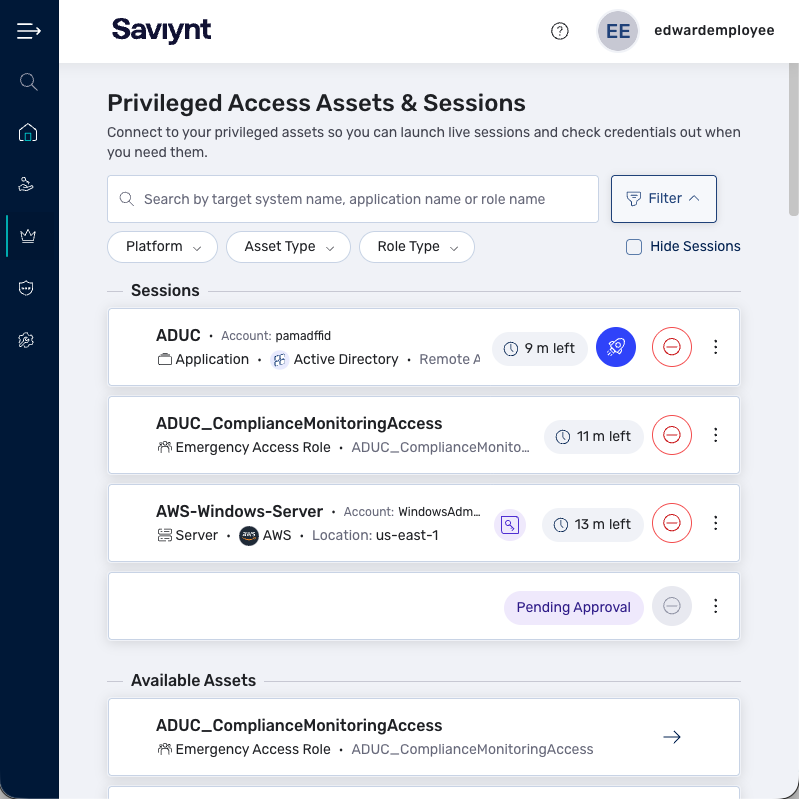
Implement self-service identity security
Streamline your identity program and lessen your dependence on technical resources.
The cornerstone for revolutionized identity security
Transform your identity security program. Ensure audit readiness and governance across your environment with enhanced data hygiene. Proactively detect identity and access risks before they become incidents with minimizing manual efforts and prioritizing risk remediation. Cut costs, save time, and stay compliant, all with one powerful identity security platform.
Elevate your identity security posture
Start with discovery and deep visibility to eliminate risks.
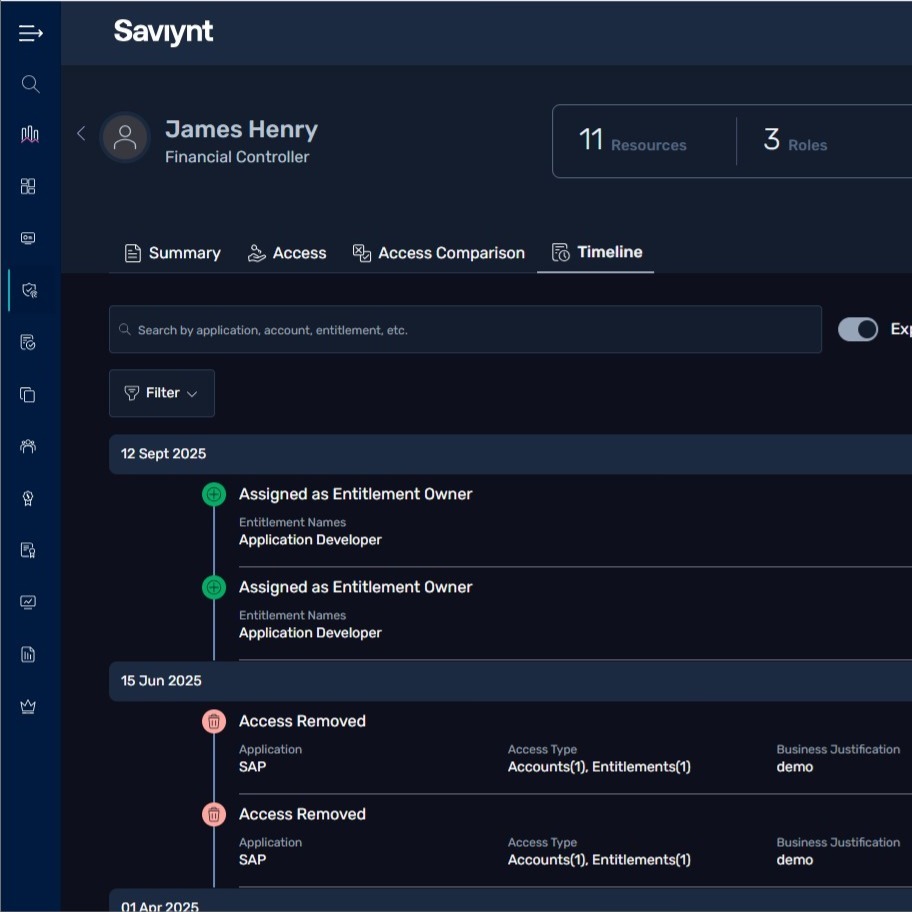
Know your identity landscape
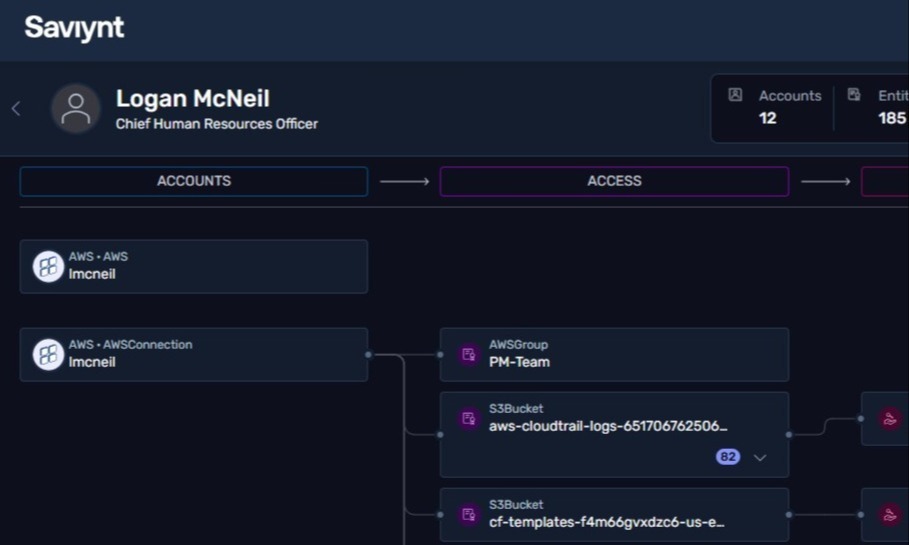
Discover all identities, access, and assets for a comprehensive identity data inventory.
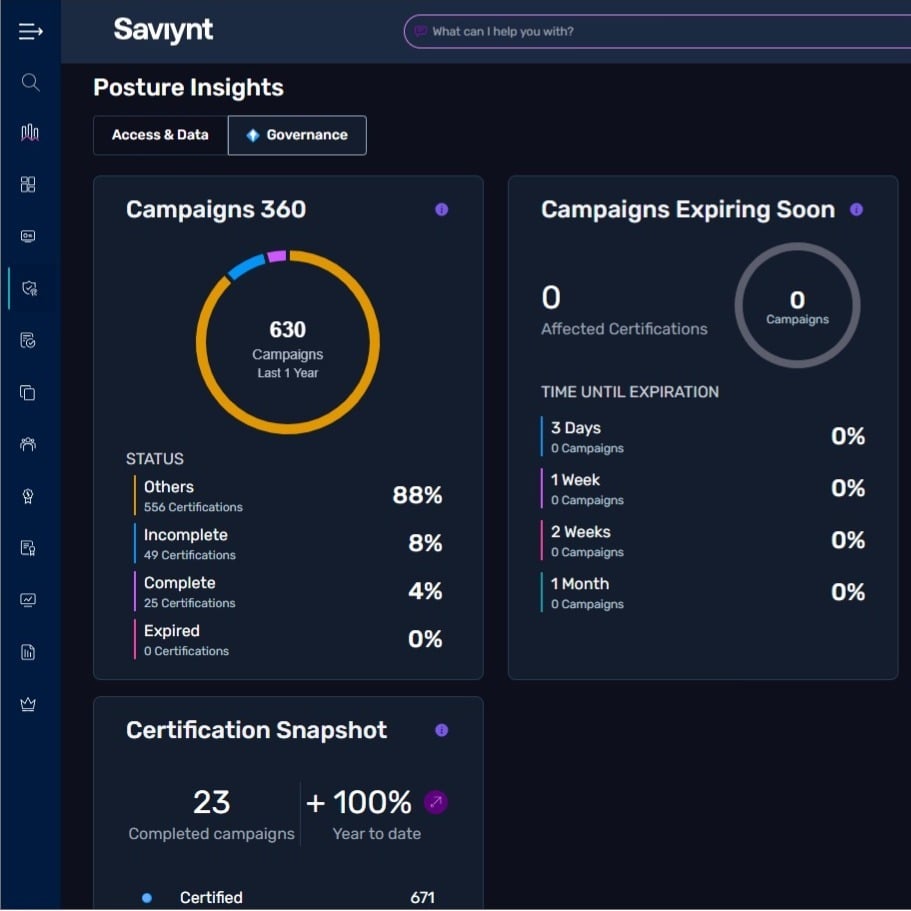
Intelligently detect risk
Eliminate risky access with deep correlation between identities, access, and resources.
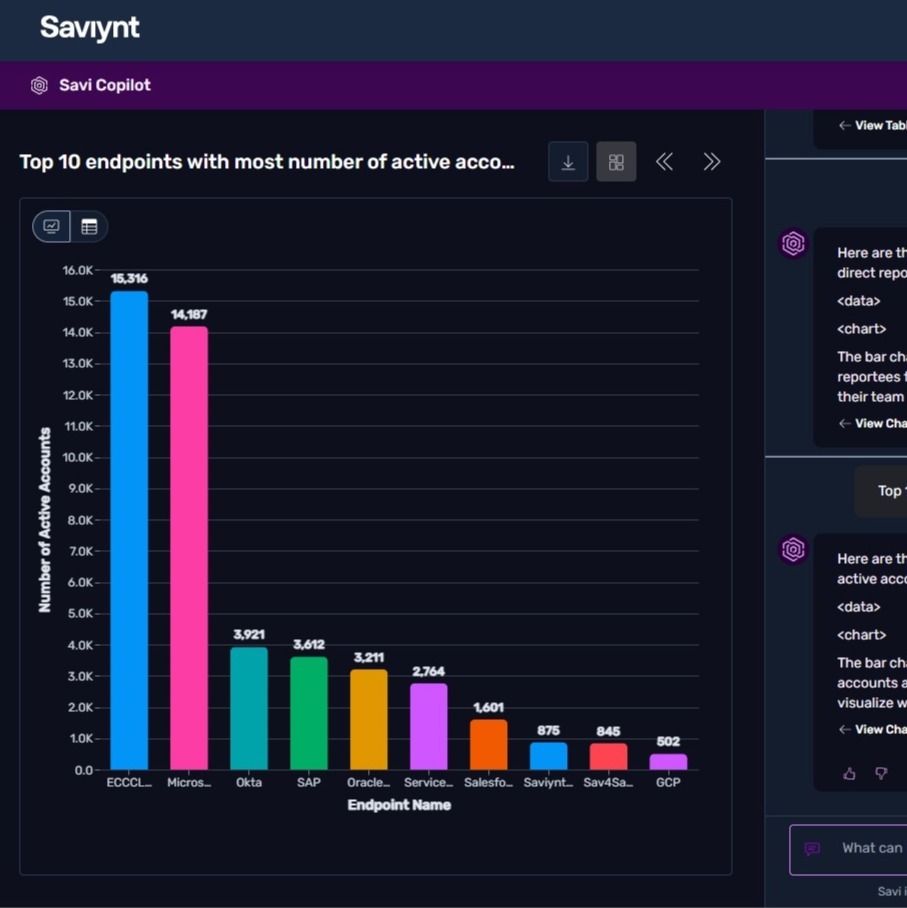
Focus on what matters most
Prioritize remediation of identity and access risks.

GE Healthcare’s Journey to Proactive Identity Security with ISPM
Hear from GE Healthcare IGA Lead, Joey Tyler, and Vibhuti Sinha, Saviynt Chief Product Officer, as they discuss GE Healthcare’s identity security program journey.

Integrated identity security in a single platform
Control identity risk without decreasing productivity
Enforce security policies across cloud-based and on-premises environments to support continuous regulatory compliance and shrink the threat landscape.
Real customers, real results
Resources to accelerate your ISPM journey
Recognized market leader by top analysts
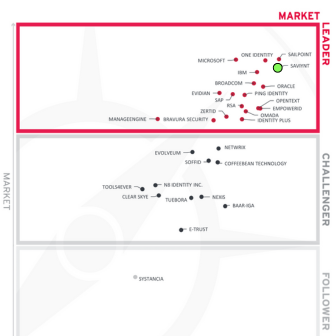
Saviynt named a Leader in KuppingerCole’s 2024 Identity and Access Governance Compass Report
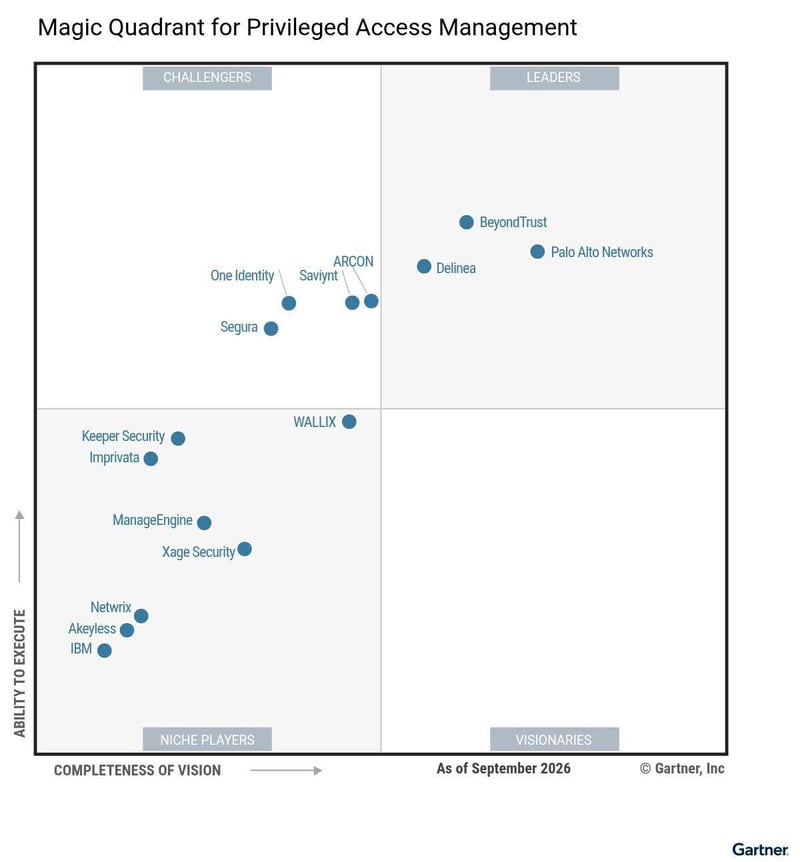
Saviynt Named a Challenger in the 2026 Gartner® Magic Quadrant™ for Privileged Access Management
Frequently Asked Questions
ISPM is a proactive solution to reduce enterprise risk regarding identity security.
The purpose of ISPM is to continuously assess, monitor, and improve an organization’s identity and access configurations to reduce security risks. It helps identify misconfigurations, excessive permissions, and policy violations across identity systems, ensuring least-privilege access and compliance with security standards.
To achieve this, ISPM solutions use AI and machine learning to analyze various aspects of identity data, access and assets to identify any identity-related risks.
The explosive growth in both the number and types of identities across on-premises, cloud, and hybrid environments poses a significant challenge for organizations striving to secure access to critical information and applications.
In fact, many organizations:
- Have limited visibility into their identity security postures across data, access, and governance
- Still use reactive processes such as periodic certification reviews, static role-based access controls (RBAC), manual identity provisioning and more
- Can’t measure how well their identity program is performing
- Rely on expensive technical resources such as business intelligence tools to pull and analyze data
- Suffer from poor data hygiene that negatively impacts governance postures
Without a complete inventory of identity data, visibility across governance and access risks, and the ability to maintain continuous compliance, organizations will continue to face greater identity-related risks. ISPMs are the catalyst for providing the data and visibility needed to quickly and efficiently identify and remediate identity-related risks and maintain continuous compliance.
A good ISPM solution should cover the following functions:
- Continuous discovery and inventorying. A robust ISPM solution should be able to identify all identities (human and non-human) and resources spread across your environment, whether on-premises or in the cloud. The more data available to analyze, the better results ISPM delivers.
- Risk assessment and posture analysis. By analyzing permissions, policy and role configurations, and access patterns, ISPMs can detect identity-related risks such as overprivileged and dormant accounts, misconfigurations or policy drift, policy violations, and more. This information is provided through visual dashboards and reports.
- Identity Policy Enforcement and Recommendation. Based on key performance indicators (KPIs) or benchmarks, ISPMs provide prioritized remediation recommendations based on the riskiest access. They can also automatically trigger remediation actions by other systems to quickly remove risks such as unused access or misaligned policies.
- Ongoing monitoring and alerts. ISPMs are not a point-in-time reporting tool but a solution that provides continuous monitoring for any changes in risk-related postures and alerting as new risks surface.
ISPMs deliver proactive identification and remediation of risks and troublesome posture. They dramatically shrink the threat landscape by limiting the amount of time bad actors have to exploit risks.
ISPMs are able to enforce least privileged access and Zero Trust violations to maintain compliance with relevant government and industry regulations. In this way, they help you avoid costly fines due to non-compliance and loss of brand value to bad publicity.
Effective ISPMs help reduce costs by eliminating the need for business intelligence systems to pull and analyze data. They also allow analysts to focus on proactive risk and threat identification and on writing complicated queries or APIs to identify risks.
Yes! Organizations are often missing a complete view of their risk postures and, even with strong IGA programs, are stuck in reactive security modes that identify risks after periods of time that greatly increase the chance that a risk can turn into a threat and incident.
Those with small security teams, complex IT environments or a heavy reliance on cloud infrastructures can especially find benefit. These organizations typically have a lot of users, service accounts, human and non-human identities, and third-party access that complicates traditional management, leaving in the dark as to their actual threat landscape.