
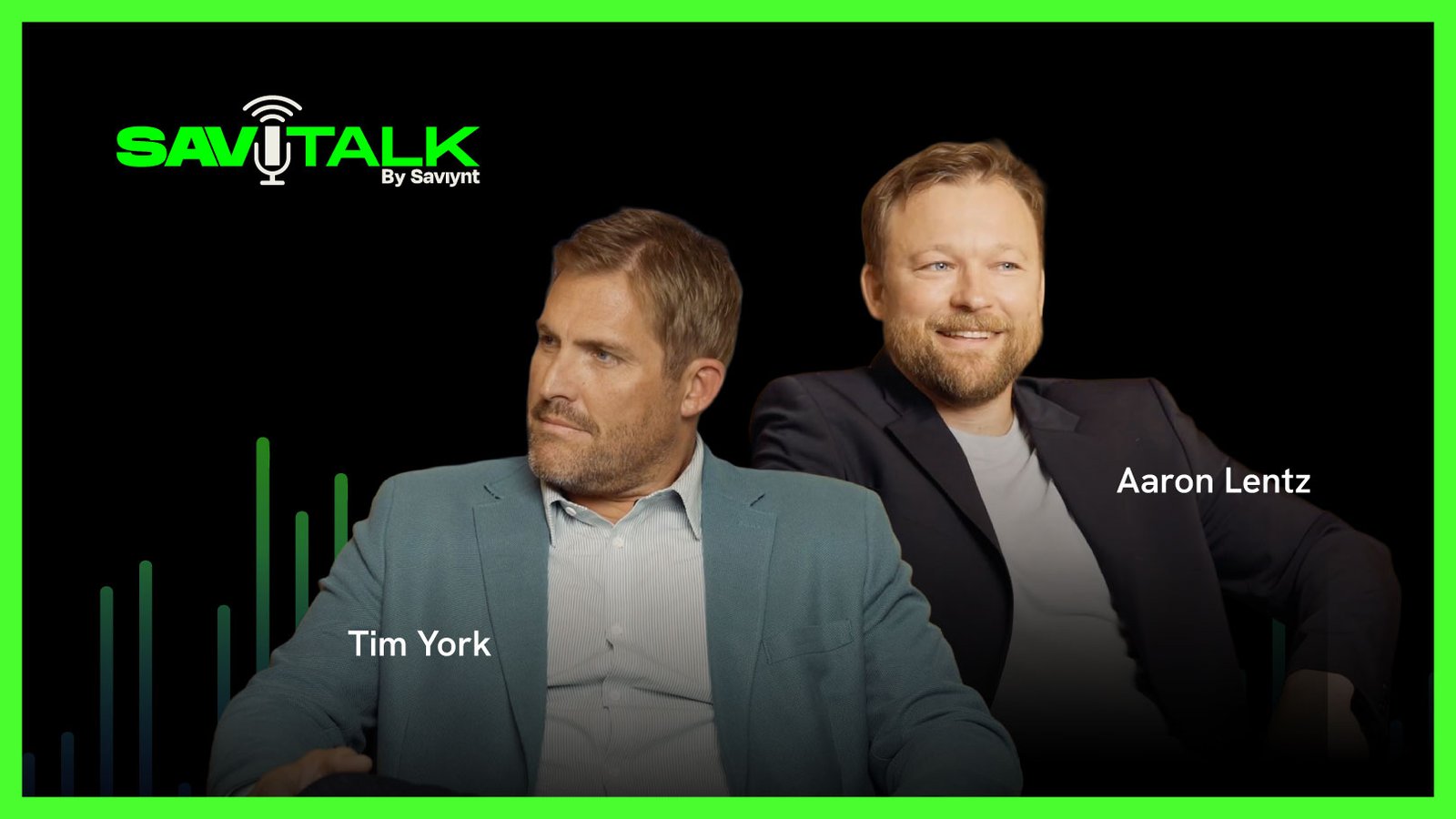
3 takeaways from our conversation with Tim York and Aaron Lentz
In episode 8 of Savvy Talk, Tim York (Global Head of Partner Business) and Aaron Lentz (VP of Advisory & Strategy) from iC Consult bring a different perspective; one shaped by years in the field, conversations with CISOs, and a shared focus on something the identity and access management (IAM) industry often overlooks: the human side of identity.
This episode explores what separates effective identity security strategies and programs from those that stall and why many programs struggle to deliver on their intended outcomes.
Alignment fails before the technology does
Identity security programs struggle when the people around them aren’t aligned on what success looks like or why it matters in the first place. As Tim and Aaron point out, most identity tools can achieve similar outcomes. What decides success or failure is how those tools are introduced, adopted, and supported across the organization. The people implementing and using identity systems—the human factors—shape the outcome. If they’re not on the same page, technology can’t fix that. This is where many IAM strategies break down.
“Arguably, a lot of the tools can do a lot of the same things, but there are wielders of the tools who are humans. And so if you can't get those humans…on the same side, you're not going to be successful.”
— Aaron Lentz
Activity looks like progress…until it doesn’t
When it comes to defining success, our guests note a surprising pattern: many teams look more at systems than impact. Migrating off a legacy platform, rolling out a new tool, closing tickets faster; while important, those things do not make a strategy. The companies that make true progress start somewhere else. They anchor their work in a clear outcome: enabling the business, supporting employees, reducing friction, etc. In this way, organizations can tie activity back into business outcomes, not just system changes. That shift changes how decisions get made and how teams work together to move forward; a critical facet of any effective identity security strategy.
“Sometimes people start with things like, ‘[our goal is] to get off a legacy platform’… that’s not a real purpose. What does my business do? What drives my business? My purpose is to support our teams.”
— Aaron Lentz
As AI scales, leadership becomes the differentiator
There’s no shortage of speculation about what AI will change, but one thing is clear: as access to intelligence becomes universal, differentiation won’t come from your tools; it will come from how you lead, build trust, create alignment, and shape culture.
In identity security, that matters more than anything else. Your job isn’t to set up systems in a vacuum, it is to be at the center of how people access, interact with, and trust technology. As i programs expand to include human and non-human identities, leadership becomes a core part of the strategy itself. While the future will be automated, it will also be human-led.
“As AI grows and scales like we don’t understand, human intelligence becomes more and more and more important… the very best leaders… are going to be the ones that focus on the human side.”
— Tim York
Hear the full conversation
This is just a slice of the discussion. The full episode covers how identity leaders are approaching these challenges today and what’s actually working in practice.
If you’re shaping or refining your identity security strategy, watch the episode to see how alignment, purpose, and leadership show up in real-world programs.