After more than a decade in identity security, I’ve learned that every technology wave follows a predictable pattern: first comes excitement, then rapid adoption, and then security discovers what’s already running in production. AI is no different.
Over the past year, I’ve spoken with dozens of CISOs navigating the same challenge: how do you enable AI-driven transformation without creating an entirely new category of unknown and unmanaged risk? The answer isn’t to slow AI down. It won’t. Instead, figure out how to govern it before it governs you.
That’s easier said than done, because CISOs are already balancing ransomware, regulatory pressure, third-party risk, board expectations, and an endless stream of operational priorities. AI doesn’t replace those concerns; it amplifies them.
The most important question facing security leaders today isn’t: “Should we allow AI?” That decision has already been made across your organization. So, the real question is:
“How do we securely scale AI when we don’t even know where all of it exists?”
The First Mistake: Believing AI Adoption Is Optional
One of the most common assumptions I still hear is: ”We’re evaluating our AI strategy.” In reality, most organizations are evaluating how much AI has already been deployed without their knowledge. Shadow AI isn’t coming. It’s here. Employees are building agents. Developers are embedding copilots into applications. Business teams are automating workflows using AI services they’ve never disclosed to IT. Vendors are quietly introducing AI functionality into products that already have access to your most sensitive systems and data. Security teams often underestimate what this means.
The challenge isn’t a handful of rogue chatbots. It’s an entirely new category of digital actors appearing across the enterprise faster than traditional governance models can track. So, if you don’t know which AI systems exist, who owns them, what data they can access, or what actions they can perform, you’re not managing risk. You’re accumulating it.
AI Is an Identity Problem — But Not the Identity Problem We Know
Many organizations start with a reasonable assumption: “An AI agent is just another static non-human identity.” That’s directionally correct. It’s also incomplete. Traditional identities access systems. AI identities not only access but also act within them. That distinction matters. A service account executes predefined instructions. A human operates within predictable organizational boundaries.
An AI agent can interpret context, chain actions across systems, make decisions, and dynamically change its behavior based on information it discovers along the way. The risk is no longer just access. The risk is intent. This is where many security programs begin to break down because historically, identity security has focused on answering one question: Who has access? AI requires us to answer a second question: Should this action be happening right now? That’s a fundamentally different governance challenge.
CISOs Need Guardrails, Not More Gates
Many organizations are responding to AI with the same instinct security has relied on for years:
Block it. Restrict it. Approve everything manually. Create more gates. The problem is that gates don’t scale when innovation outpaces governance. Business leaders aren’t waiting for permission. Developers aren’t waiting for quarterly reviews. Employees aren’t waiting for policy updates. So, the organizations successfully navigating AI adoption are shifting from gatekeeping to guardrails. That’s an important distinction.
A gate is designed to stop activity. A guardrail is designed to allow activity to proceed securely and in a timely manner. Security leaders who focus exclusively on prevention are increasingly disconnected from how work actually gets done.
The goal isn’t to stop AI adoption. The goal is to make secure adoption the easiest path forward.
Every AI Action Needs Governance
One lesson continues to emerge across customer conversations: visibility alone isn’t enough. Discovery is important. Registration is important. Ownership is important. None of them answer the most critical question: When an AI system takes an action, should that action be allowed?
Most enterprises still govern AI at the identity level. But the next stage of AI security requires governance at the level of action.
Not:
- Does this agent exist?
- Is there an owner?
- Was it approved?
But:
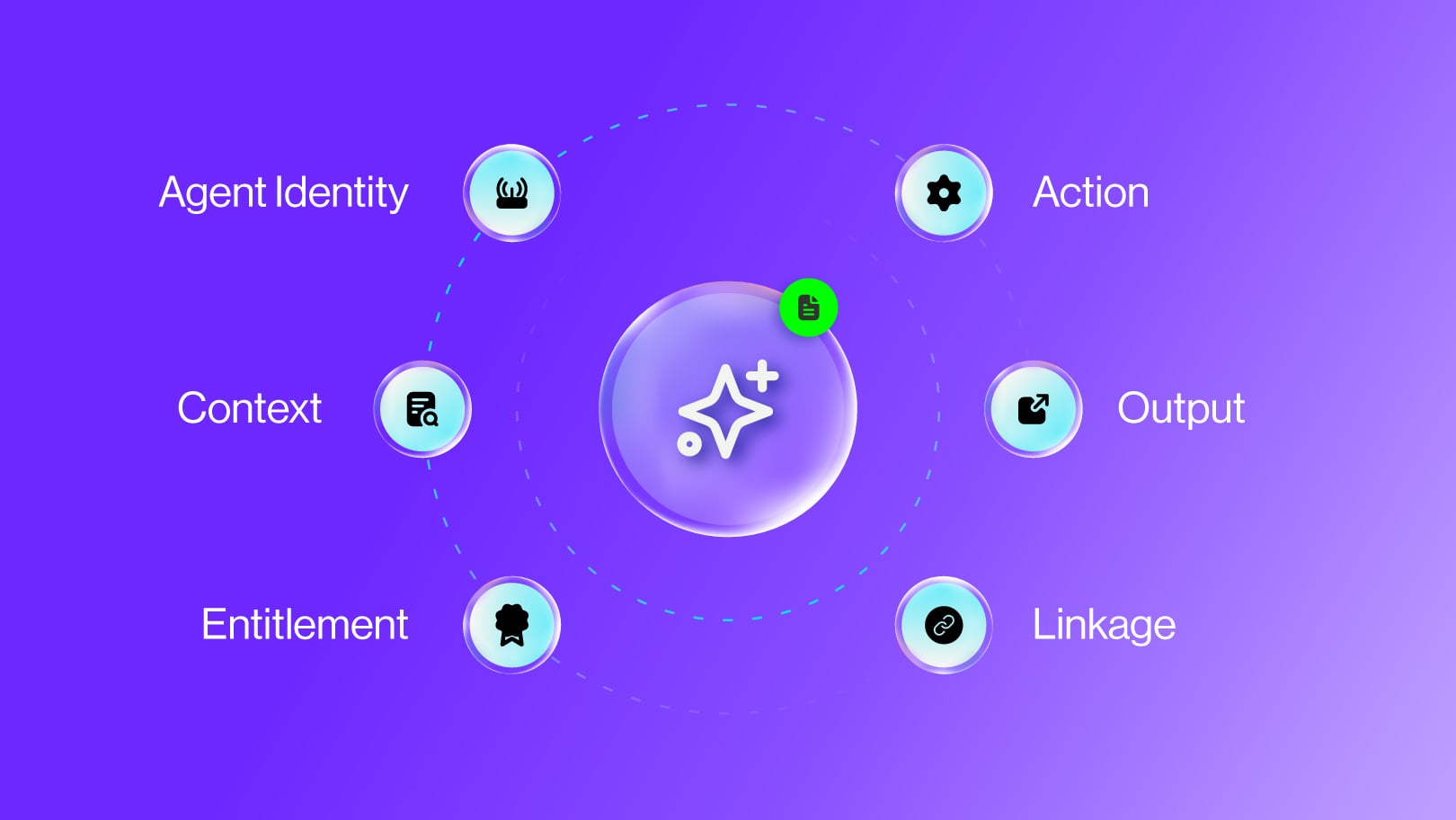
- What is it trying to do?
- What data is it trying to access?
- Is that action aligned with its intended purpose?
- Should it be allowed right now?
The future of AI security is not static authorization. It’s continuous authorization.
Identity Must Become the Control Plane for AI
I’ve long believed that identity is the foundation of modern security. AI only reinforces that belief, not because AI introduces a completely new security paradigm, but because it exposes the limitations of existing traditional approaches. The organizations best positioned for the next phase of AI adoption are focusing on three fundamentals:
1. Complete visibility
You cannot govern AI you cannot see. Every agent, model, copilot, and AI-enabled application must become part of the organization’s identity ecosystem.
2. Runtime Decision-Making
Access reviews conducted months ago cannot determine whether an AI action is appropriate today. Every action requires validation in context.
3. Lifecycle Governance
AI identities must be governed from creation through retirement, even when they exist for only hours, minutes, or seconds. The challenge isn’t managing identities. The challenge is managing identities that think, act, and evolve.
The New CISO Mandate
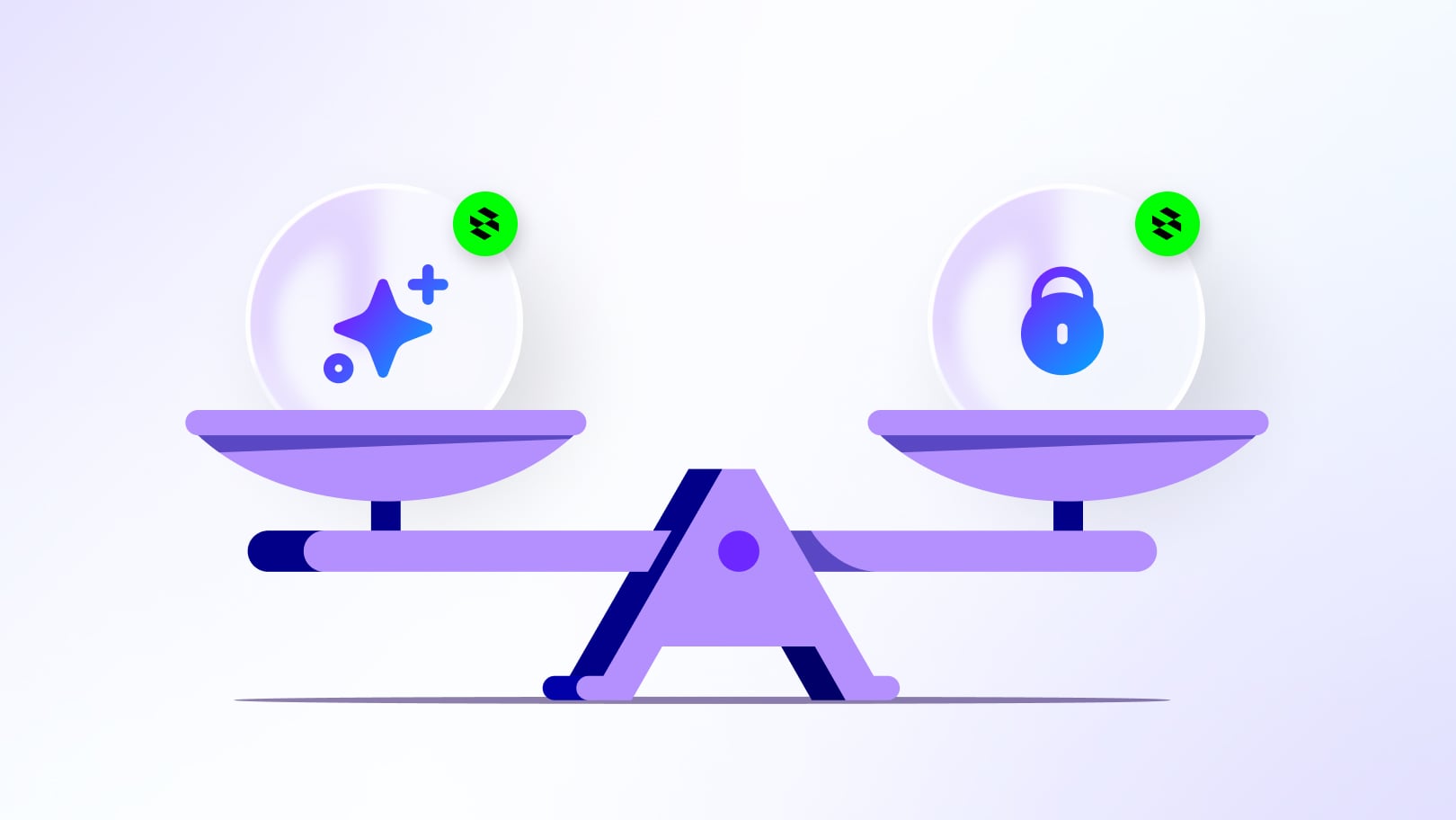
The enterprises that succeed over the next decade won’t be the ones that block AI. They won’t even be the ones that adopt AI the fastest. They will be the organizations that build governance into AI from the beginning. History has repeatedly shown us that technological innovation doesn’t slow down to accommodate security. So, security must evolve to meet innovation where it is. That is the balancing act CISOs face today: enable transformation, reduce risk, move fast enough for the business, and maintain control where it matters.
The question isn’t whether AI will become part of your enterprise. It already has. The question is whether your security model is evolving fast enough to govern it or falling behind.

 Back to Blog